Natural Nitrification Inhibitors and Novel Biofertilizers for Agriculture​

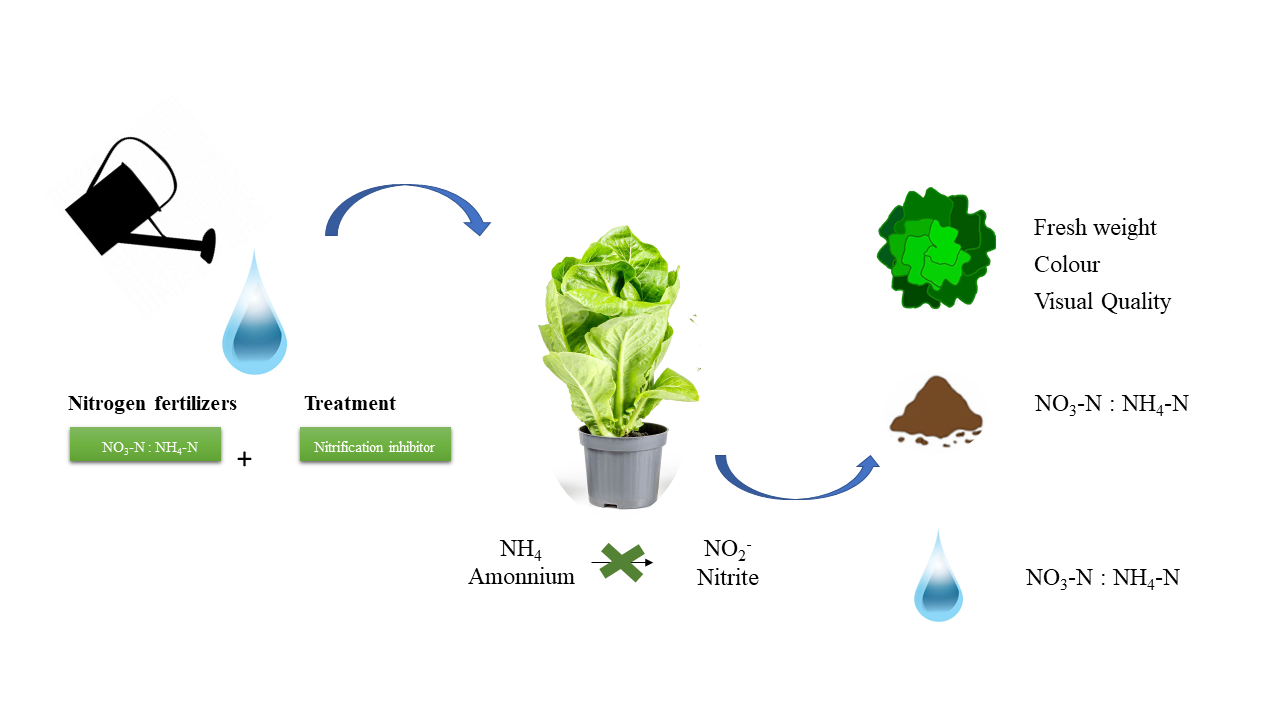
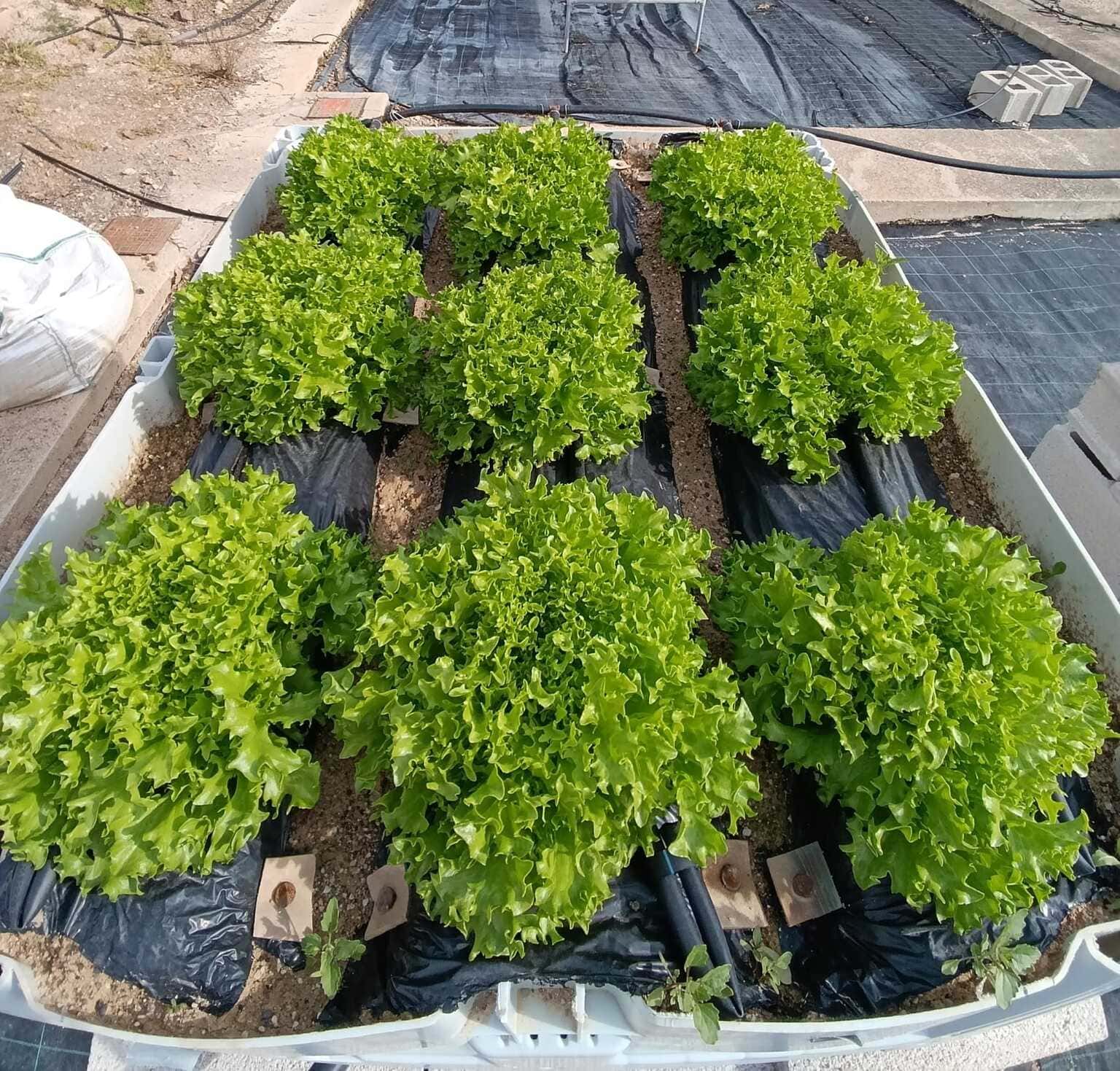
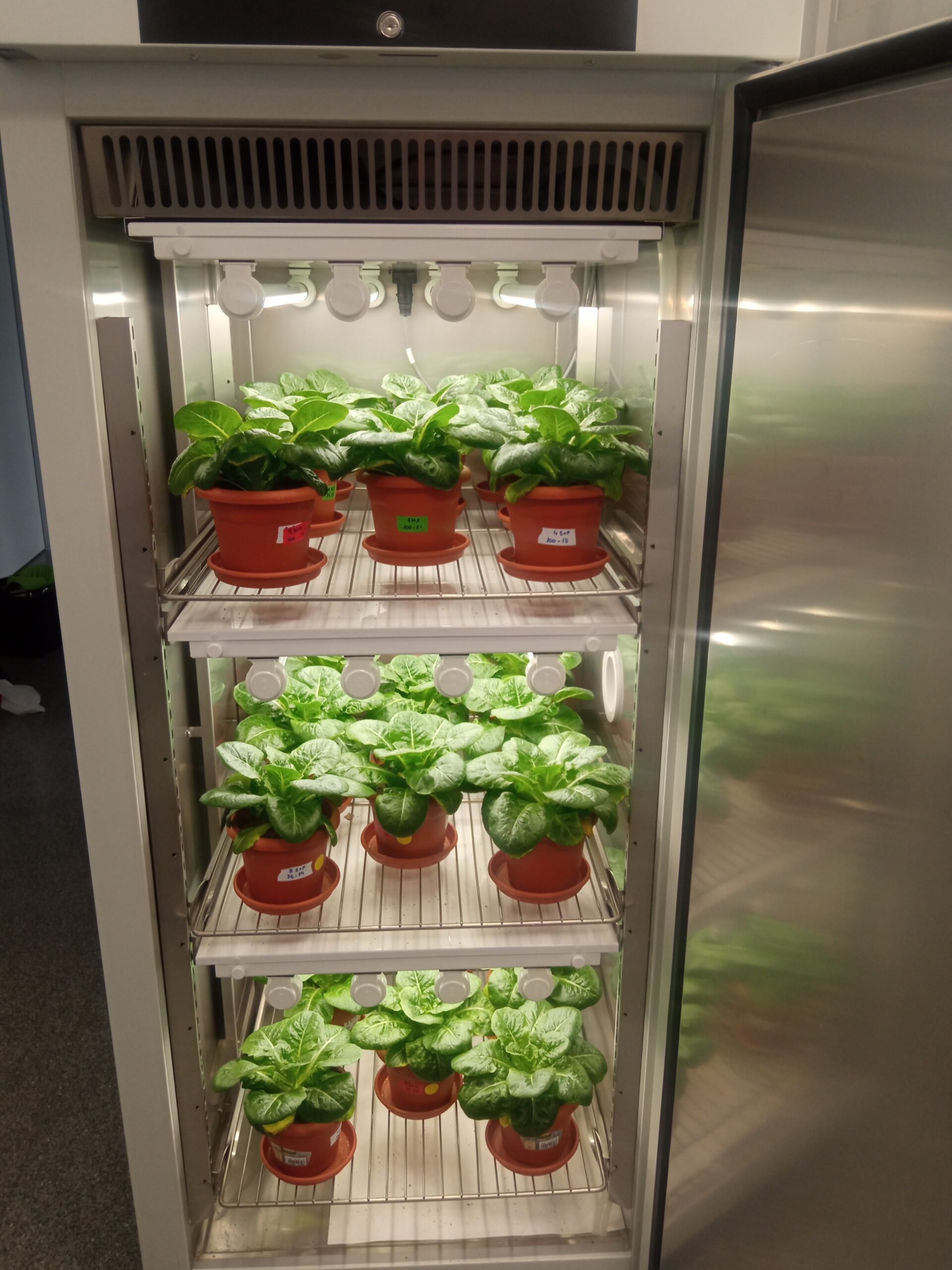
This research line aims to develop new technologies and cultivation methods focused on reducing nitrate contamination in agricultural systems and, consequently, the pollution of aquifers, nearby lagoons, and crops themselves.​

Agricultural systems rely heavily on nitrogen fertilizers; however, a large proportion of the applied nitrogen is lost through microbial nitrification processes, which lead to nitrate formation. Nitrates are highly mobile and can rapidly leach into soils and groundwater. At the same time, these processes can cause serious nitrogen pollution in crops, soils, and aquifers.​

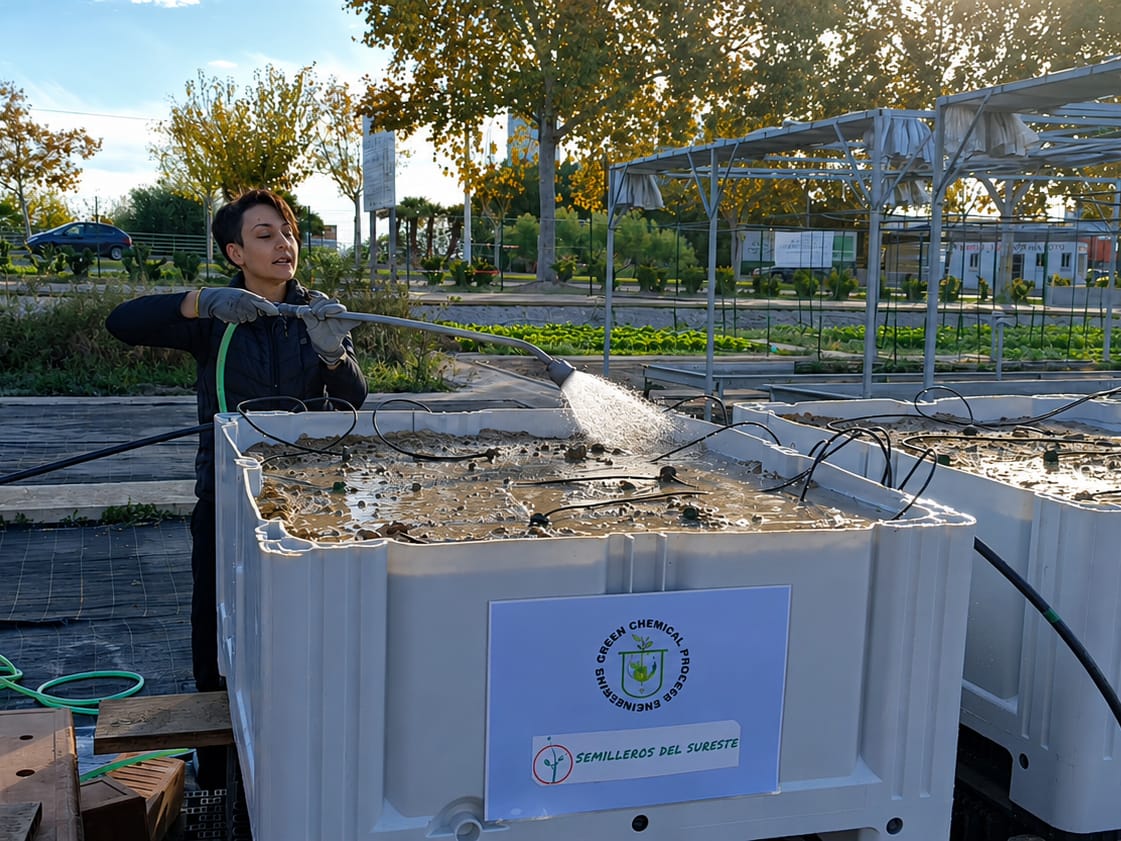
The use of nitrification inhibitors (NIs) slows down the microbial conversion of ammonium into nitrate, thereby reducing nitrogen losses through leaching. Although chemical nitrification inhibitors have been widely studied, the available literature on the potential use of organic alternatives remains limited. In addition, studies focused on the isolation of active compounds for the development of standardized and effective commercial products are still scarce. Our research group is particularly interested in developing extraction and isolation techniques using green solvents to obtain natural NIs derived from agricultural residues.
Another promising approach is the development of biofertilizers based on organic residues with slow nitrogen-release properties.​

These approaches are especially relevant in the context of the environmental problems associated with the Mar Menor lagoon (Region of Murcia, Spain), the largest saltwater lagoon in Europe, which has experienced a severe deterioration in water quality, raising major environmental and social concerns.​
This web has been created by the cofinancial support of:
The grant PID2021-124173OB-I00 funded by MCIN/AEI/ 10.13039/501100011033 and by “ERDF A way of making Europe”
The Autonomous Community of the Region of Murcia through the call for grants for projects for the development of scientific and technical research by competitive groups, included in the Regional Program for the Promotion of Scientific and Technical Research (Action Plan 2022) of the Seneca Foundation - Science and Technology Agency of the Region of Murcia ref. 22017/PI/22.
The grant TED2021-129220B-I00, funded by MCIN/AEI/ 10.13039/501100011033 by “European Union NextGenerationEU/PRTR”.

Contact information

Email: contacto@gcpe-um.es
Department of Chemical Engineering.
Faculty of Chemistry, University of Murcia.
P.O. Box 4021.
Campus de Espinardo
E-30100
Última actualización 05/04/2024
Fernando A. Santacruz © 2022 para Green Chemical Process Engineering